
VPD Explained: The Key to Optimizing Plant Transpiration
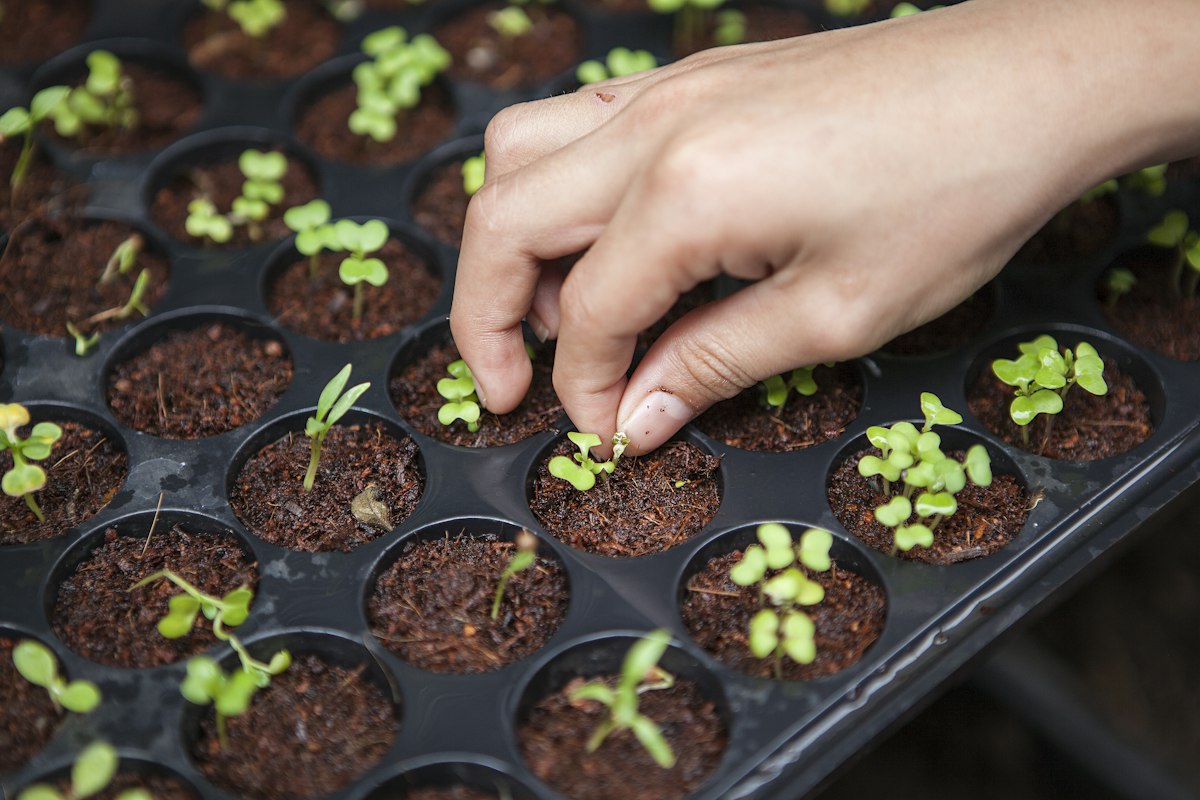
Vapor Pressure Deficit (VPD) may sound complex, but it's actually the single most useful number for managing your grow room climate. Unlike relative humidity alone, VPD tells you exactly how hard your plants are working — and whether they're stressed.
What Is VPD, Really?
VPD is the difference between how much water vapor the air can hold at saturation and how much it currently holds. Think of it as the air's "thirst" for water. A high VPD means the air is thirsty — it pulls moisture aggressively from plant leaves, driving high transpiration. A low VPD means the air is nearly saturated — plants can barely transpire.
The magic of VPD is that it combines temperature AND humidity into one actionable number. 70% RH at 30°C is a completely different growing environment than 70% RH at 20°C — even though "relative humidity" is identical. VPD captures this difference.
VPD Ranges by Growth Stage
Different growth stages demand different VPD targets. Here are the research-backed optimal ranges for most crops:
| Growth Stage | VPD (kPa) | Effect |
|---|---|---|
| Propagation / Clones | 0.4–0.8 | Low VPD prevents cuttings from drying out before roots form |
| Vegetative Growth | 0.8–1.2 | Moderate VPD drives nutrient uptake and vigorous growth |
| Early Flowering | 1.0–1.5 | Higher VPD encourages generative development |
| Late Flowering | 1.2–1.5 | Highest VPD to prevent mold while finishing |
Common VPD Mistakes
Mistake #1: Chasing a single VPD number all day. VPD naturally fluctuates with temperature. A well-designed climate strategy uses a VPD range, not a fixed point. Use day/night setpoint programming on your controller.
Mistake #2: Ignoring leaf temperature. Leaf surface temperature is typically 1–3°C cooler than air temperature due to transpiration. For precise VPD, measure leaf temperature with an IR sensor and use it in your calculation — not air temperature.
Mistake #3: Over-correcting too fast. Rapid humidity swings stress plants more than slightly-off setpoints. Program your dehumidifier and humidifier with gradual ramp rates — aim for <5% RH change per hour.
Equipment for VPD-Based Control
To run a VPD-controlled grow room, you need equipment that responds to both temperature and humidity readings simultaneously. The GrowClimate GRO-165L and GRO-288L floor-standing dehumidifiers include integrated temperature/humidity sensors with Modbus output — allowing your climate controller to calculate real-time VPD and adjust dehumidification output accordingly.
Need Help with Climate Control?
Get a free consultation from our application engineering team for your specific growing environment.
Contact an Engineer